
Helping a family eat better does not usually come from one dramatic change. It tends to happen through smaller habits repeated over time, such as serving healthier foods more often, paying attention to labels, planning meals ahead, and making nutritious choices easier for children to accept. A step-by-step approach is often more realistic than trying to overhaul everything at once.
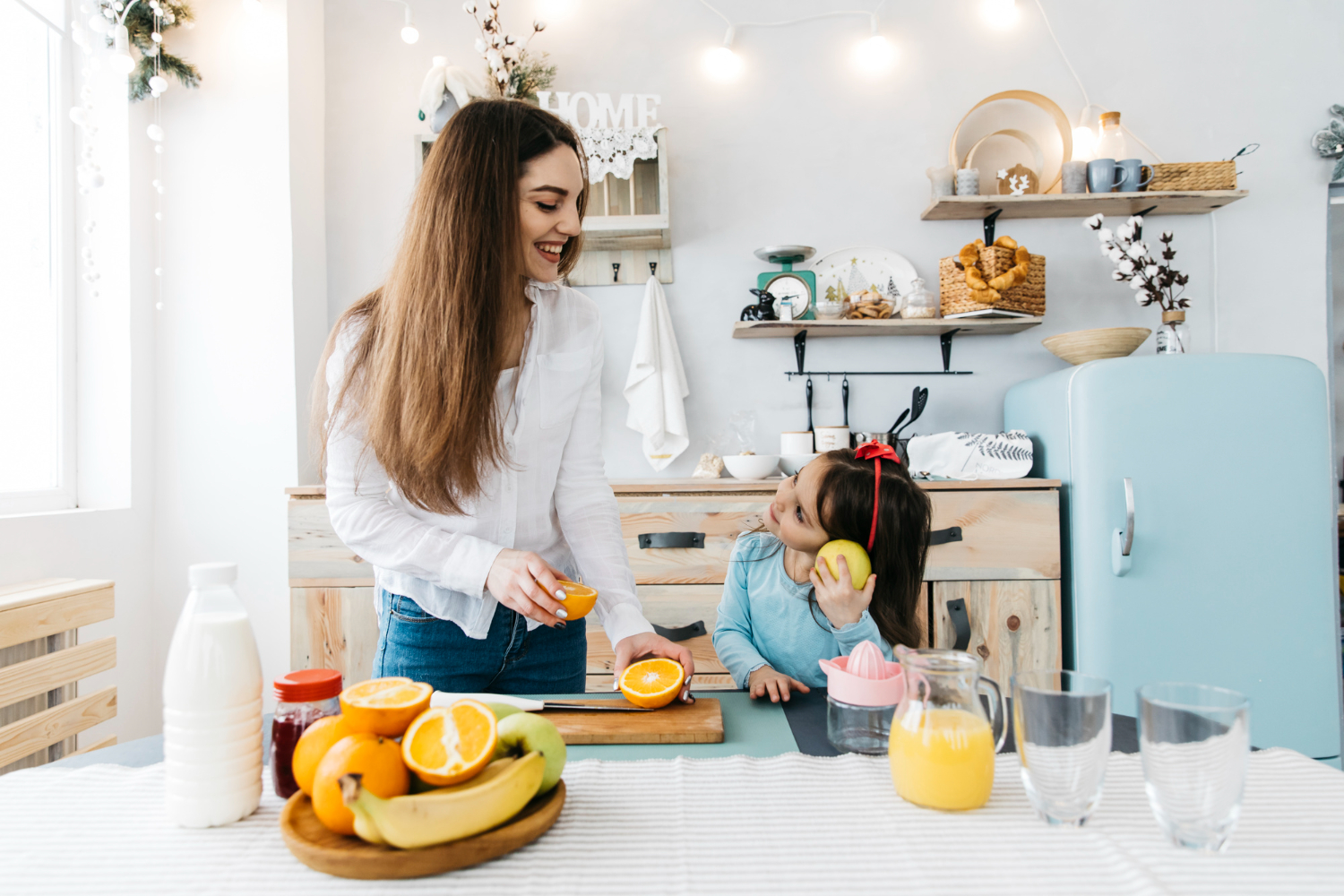
One of the easiest places to start is with fruits and vegetables. Children are often more open to trying new foods when the experience feels positive and interactive rather than forced. Letting them help choose a new fruit or vegetable at the store and involving them in how it will be prepared can make healthy eating feel more interesting and less like a rule.
Whole grains are another practical upgrade for family meals. Choosing whole-grain bread, rice, pasta, cereal, and crackers can add more fiber and improve the overall quality of meals and snacks. Reading ingredient lists matters here, because the healthiest option is not always the one with the most attractive packaging. Looking for whole grain as a leading ingredient and checking fiber content can help families make stronger choices.
Healthy eating also depends on the kinds of fats a family uses regularly. Replacing butter and other solid fats with liquid vegetable oils can be one simple shift that improves the nutritional profile of home cooking. These kinds of swaps are often easier to maintain than more extreme diet changes because they fit naturally into meals people already make.
Parents and caregivers also shape eating habits by example. Children pay attention to what adults actually eat, not just what they are told to eat. When adults regularly choose vegetables, whole grains, and balanced meals, healthy eating starts to look normal instead of optional. Role modeling may seem small, but it can have a lasting effect on how children view food.
Food labels can make a major difference in everyday decisions. Families benefit from checking Nutrition Facts panels for helpful nutrients like vitamins, minerals, and fiber while also keeping an eye on sodium, added sugars, and saturated fat. Portion awareness matters too, because what looks like one serving may actually contain more than one. That can make a food seem healthier or lighter than it really is.
Cooking at home more often is another powerful habit because it gives families more control over ingredients, portions, and preparation methods. Home cooking does not have to mean elaborate meals every night. Even simple meals made at home can reduce reliance on restaurant food and packaged convenience items that may be higher in sodium, sugar, or less healthy fats.
Children are often more willing to eat nutritious foods when they are involved in making them. Giving kids age-appropriate kitchen tasks can increase their interest in meals and help them feel ownership over what ends up on the table. Making food visually fun can help too. Colorful plates, playful presentation, and creative use of fruits and vegetables can make healthy choices feel more approachable.
Planning ahead makes healthy eating easier to sustain. Setting aside time each week to organize meals, grocery lists, and shopping decisions can reduce the temptation to fall back on fast food or last-minute convenience meals. Stocking easy options such as lower-sodium canned or frozen proteins and serving a meatless meal from time to time can also make weeknight cooking more flexible and balanced.
Families also benefit from paying attention to added sugars. Sugary drinks and sweet snacks can add a lot of calories without offering much nutritional value. Keeping those foods as occasional treats rather than daily staples can support better long-term habits without requiring a completely restrictive approach to eating.
Finally, healthy eating works best when it is part of family life rather than treated as a separate health project. Eating together when possible, lowering the barriers to nutritious choices, and keeping healthy foods visible and easy to reach can make a real difference over time. When good options are convenient and familiar, they are more likely to become part of the family’s normal routine.
In the end, families usually eat better not because they become perfect, but because they make healthier choices a little more often. Small upgrades in shopping, cooking, planning, and family routines can build into a more balanced way of eating that feels practical enough to maintain.