
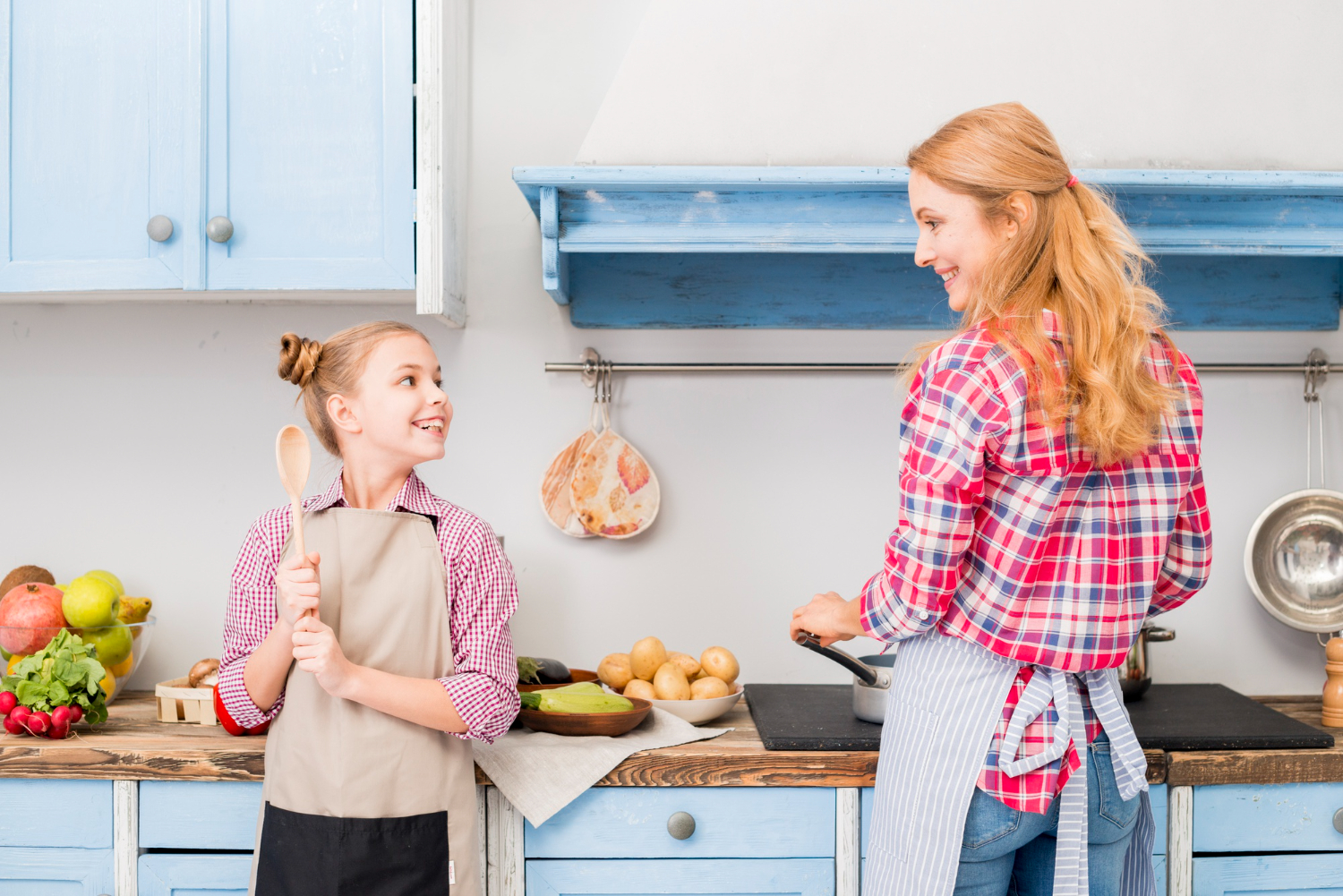
Getting children involved with meals can do more than lighten the load at dinnertime. It can help them build useful life skills, become more comfortable with healthy foods, and feel more interested in what they eat. Including kids in planning, shopping, and cooking can make family meals easier while also encouraging better eating habits over time.
Build Interest Before the Cooking Starts
Children are often more excited to cook when cooking feels fun and familiar. Watching other kids cook, flipping through age-appropriate recipe books, and talking about simple meal ideas can help spark curiosity. The goal is to make cooking feel approachable rather than like a chore.
Let Kids Help Choose Meals
When children help decide what the family will eat, they tend to feel more invested in the meal. Giving them a chance to plan one meal now and then can introduce them to different ingredients and make them more open to trying something new. It also creates a natural opportunity to talk about balanced meals, portion sizes, and why different food groups matter. The source highlights dairy for bone health, protein foods such as lean meats, fish, beans, and nuts for energy and growth, fruits and vegetables for vitamins, minerals, and fiber, and whole grains for fiber and everyday nutrition.
Use Grocery Trips as Learning Time
Bringing children to the store can teach them how meals come together and show them the range of foods available. It can also help them start understanding budget choices and what makes one option healthier than another. Letting them pick a fruit or vegetable they have never tried before can turn shopping into a simple food adventure for the whole family.
Older children can also begin learning how to compare labels and spot better options. The source encourages looking out for added sugars, high sodium in many processed foods, refined grains instead of whole grains, and foods high in saturated fat when healthier unsaturated fat choices are available.
Be Patient With Picky Eaters
Children do not always accept a new food right away. In fact, it may take many tries in different settings before they decide whether they like it. Offering a new food when a child is hungry, asking for just one bite, and staying calm if they resist can work better than turning the meal into a battle. If a child pushes back hard, it is often better to try again later than force the issue in the moment.
It also helps when the whole family is offered the same meal instead of preparing completely separate foods for picky eaters. Serving one new item at a time, alongside foods your child already likes, can make trying something unfamiliar feel less overwhelming.
Match Kitchen Tasks to a Child’s Age
Children can contribute safely when tasks fit their age and skill level. Younger kids can gather ingredients, wash produce, pour, and stir. Older kids can measure, chop with supervision, and gradually learn how to use the stove or oven safely. A sturdy step stool or tall chair can also help children participate more safely at the counter.
Cooking Together Builds More Than Meals
Inviting children into the kitchen teaches more than recipes. It helps them feel capable, introduces healthy routines, and gives them practical skills they can carry into adulthood. Over time, those small moments of helping, choosing, and tasting can shape a healthier relationship with food and make family meals feel more natural and enjoyable.